Indiana’s statewide SAFE-T radio system is not moving to P25 Phase 2 overnight. But the direction the state is heading is becoming increasingly clear, and public safety agencies making radio purchases today should be thinking about what their equipment will need to support in the years ahead.
Indiana’s Statewide Communications Interoperability Plan identifies SAFE-T as a P25 Phase I 700/800 MHz digital trunked system and states that Indiana is exploring plans to transition SAFE-T to Phase II in the coming years. The state has not published a final statewide transition date. Instead, Indiana’s plan says a timeline will be communicated once funding for Phase II is determined.
That distinction matters. Agencies do not need to treat Phase 2 as an immediate statewide cutoff, but they also should not ignore it when purchasing radios that may remain in service for years.
The takeaway: Indiana has not announced a final statewide Phase 2 transition date, but the state’s communications plan specifically identifies TDMA capability as a goal for public safety radios. For agencies replacing equipment now, Phase 2 capability should be part of the conversation.
Where Does Indiana SAFE-T Stand Today?
SAFE-T provides statewide interoperable communications for local, state and federal public safety users throughout Indiana. The system currently operates using the P25 Phase I standard.
Indiana’s 2024 Statewide Communications Interoperability Plan states that the system has more than 100,000 subscriber radios and that the state is exploring a transition to SAFE-T Phase II. One of the technology goals identified in the plan is for public safety radios to be capable of operating in a Time Division Multiple Access, or TDMA, environment.
Indiana took another step in that direction in January 2026 with the launch of a Phase 2 TDMA pilot program in Vigo County. According to the state, the pilot is being used to test increased system capacity and the ability of TDMA technology to provide additional talk paths on the network.
The pilot does not mean that all of SAFE-T has transitioned to Phase 2. It does show that Phase 2 is more than a theoretical future consideration for Indiana public safety communications.
What Does P25 Phase 2 Actually Change?
The biggest difference between P25 Phase 1 and P25 Phase 2 is how efficiently the system uses available radio spectrum.
P25 Phase 1 uses Frequency Division Multiple Access, or FDMA. A Phase 1 voice transmission uses a 12.5 kHz channel for one voice path. P25 Phase 2 uses two-slot TDMA for trunked voice traffic. That allows two separate voice conversations to use the same 12.5 kHz physical channel by assigning each conversation a different time slot.
| Feature | P25 Phase 1 | P25 Phase 2 |
|---|---|---|
| Access Method | FDMA | Two-slot TDMA for trunked voice traffic |
| Physical Channel | 12.5 kHz | 12.5 kHz |
| Voice Paths | One per 12.5 kHz traffic channel | Two per 12.5 kHz traffic channel |
| Primary Benefit | Established P25 operation | Greater system capacity and spectrum efficiency |
| Application | Conventional and trunked | TDMA is used for P25 trunked voice operation |
In practical terms, Phase 2 allows a trunked system to handle more voice traffic with the same amount of spectrum. That becomes especially important when a statewide network is supporting a large number of users and multiple agencies may need system resources at the same time.
Why Capacity Matters for Public Safety
Public safety radio systems have to work during normal operations, but some of their greatest demands come during major incidents.
Severe weather, large fires, multi-agency responses, major public events and other incidents can put many users on the system at once. Available radio spectrum is limited. Increasing the number of usable talk paths without requiring twice as much spectrum is one of the major advantages of Phase 2 TDMA.
This is why Phase 2 is not simply a newer version number. It is a way to increase the capacity of a P25 trunked system while making more efficient use of available frequencies.
Does This Mean Phase 1 Radios Need to Be Replaced Right Now?
No. Indiana has not announced a final date when the entire SAFE-T system will transition from Phase 1 to Phase 2.
That is an important point for agencies planning budgets. A future transition does not automatically mean every radio needs to be replaced immediately.
The better question is whether the radios an agency is purchasing or planning to keep in service are capable of supporting where the statewide system is headed.
A radio fleet is a long-term investment. If an agency is already replacing aging or unsupported equipment, buying radios without considering TDMA and Phase 2 capability could create another replacement issue later.
Before replacing a radio, look beyond whether it works today.
Agencies should consider the radio’s current SAFE-T authorization, P25 Phase 2/TDMA capability, manufacturer support status, encryption requirements, programming needs and expected service life. The lowest initial purchase price does not necessarily represent the lowest long-term cost if equipment has to be replaced again as system requirements change.
Check the SAFE-T Authorized Subscriber Equipment List
Another important part of radio planning in Indiana is making sure equipment is approved for operation on SAFE-T.
The Indiana Office of Emergency Communications maintains an Authorized Subscriber Equipment List for the statewide system. The state specifically notes that subscriber radios not included on the list have not been vetted or approved for use on SAFE-T.
That means agencies should not assume that a radio is appropriate for SAFE-T simply because it supports P25 or operates in the correct frequency range.
The state’s list also includes a separate section for subscriber equipment that has reached manufacturer end-of-support status. For certain end-of-support radios, Indiana states that radio IDs can only be issued or changed when proof of TDMA capability is provided through the radio’s code plug.
For agencies still operating older equipment, this makes fleet planning about more than age alone. Support status, TDMA capability and SAFE-T authorization can all affect the long-term usefulness of a radio.
Five Questions Indiana Agencies Should Be Asking About Their Fleet
1. Are all of our radios Phase 2/TDMA capable?
Identify which radios can operate in a P25 Phase 2 TDMA environment and which are limited to Phase 1 operation.
2. Are our radios currently authorized for SAFE-T?
Compare your fleet against Indiana’s current Authorized Subscriber Equipment List rather than relying solely on a radio’s general P25 specifications.
3. Is any of our equipment approaching or already past manufacturer support?
A radio may still operate after manufacturer support ends, but parts availability, repair options and future system requirements can make older equipment more difficult to maintain.
4. How long do we expect our next radios to remain in service?
A radio purchased today may be expected to remain in the fleet for years. Future compatibility should be considered alongside today’s requirements.
5. Can we replace radios in stages?
Agencies do not necessarily have to approach fleet modernization as a single large purchase. Understanding which radios present the greatest compatibility or support concerns can help establish replacement priorities and spread costs across budget cycles.
Planning Ahead Can Make the Transition Easier
Waiting for a final statewide transition date before looking at the fleet can limit an agency’s options.
A better approach is to understand what equipment is currently in service, determine which units already support Phase 2, identify older or unsupported radios and build a replacement plan around normal equipment life cycles and available budgets.
Indiana’s own communications plan describes the future transition in similar terms: allowing users time to plan and allocate funding for new subscriber units while gradually phasing out aging equipment through normal life-cycle management.
For some departments, the result may be that much of the existing fleet is already prepared. For others, the review may identify a group of older radios that should be prioritized over the next several budget cycles.
Either way, knowing that before a statewide deadline is announced gives an agency more time to plan.
There Are Multiple Options for SAFE-T
Preparing for Phase 2 does not mean every Indiana agency has to purchase the same radio. Agencies can also compare public-safety radio options in Indiana when evaluating equipment, cost and local support.
Indiana’s authorized equipment list includes subscriber radios from multiple manufacturers. That gives agencies the ability to compare equipment based on capability, interoperability, support and cost instead of assuming there is only one option for the statewide system.
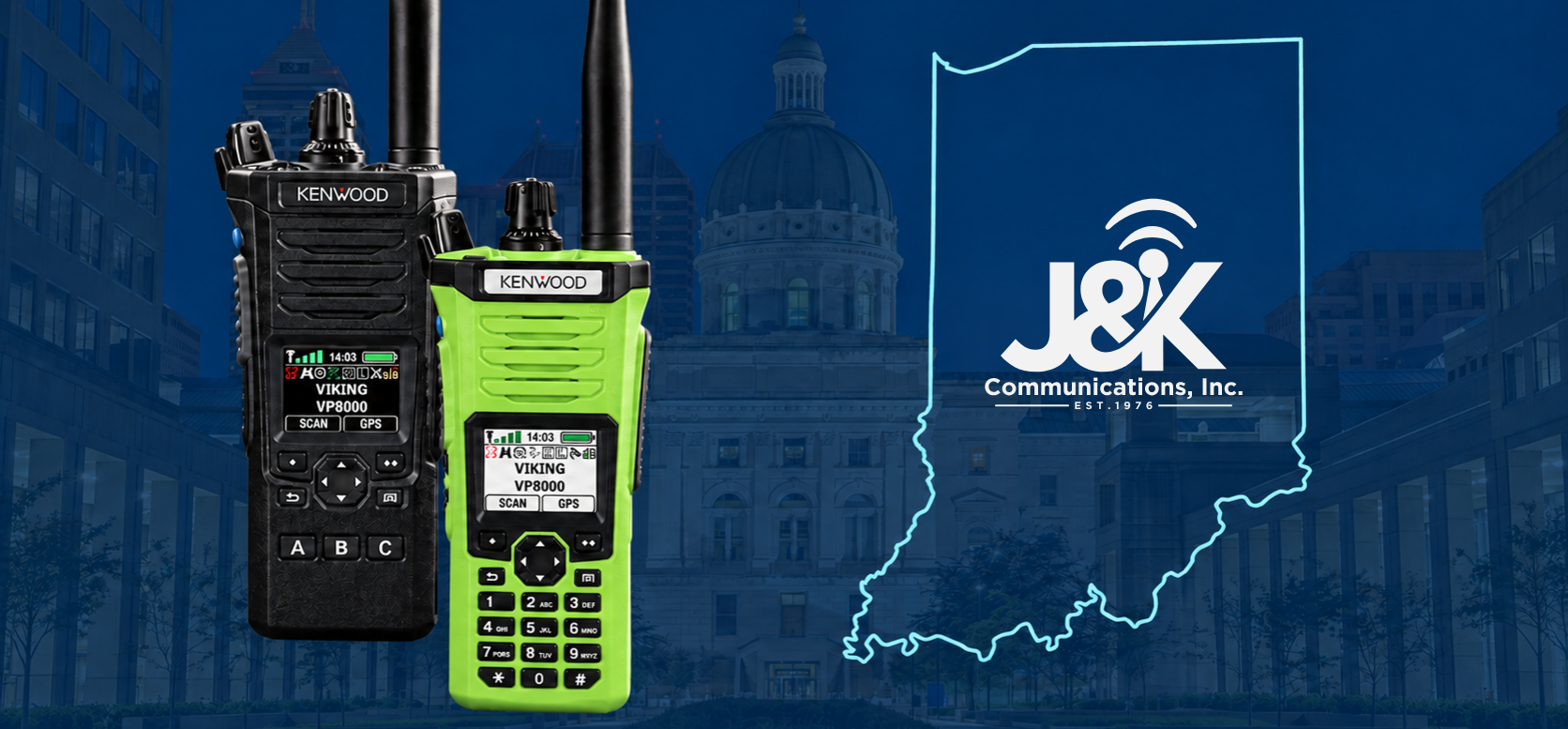
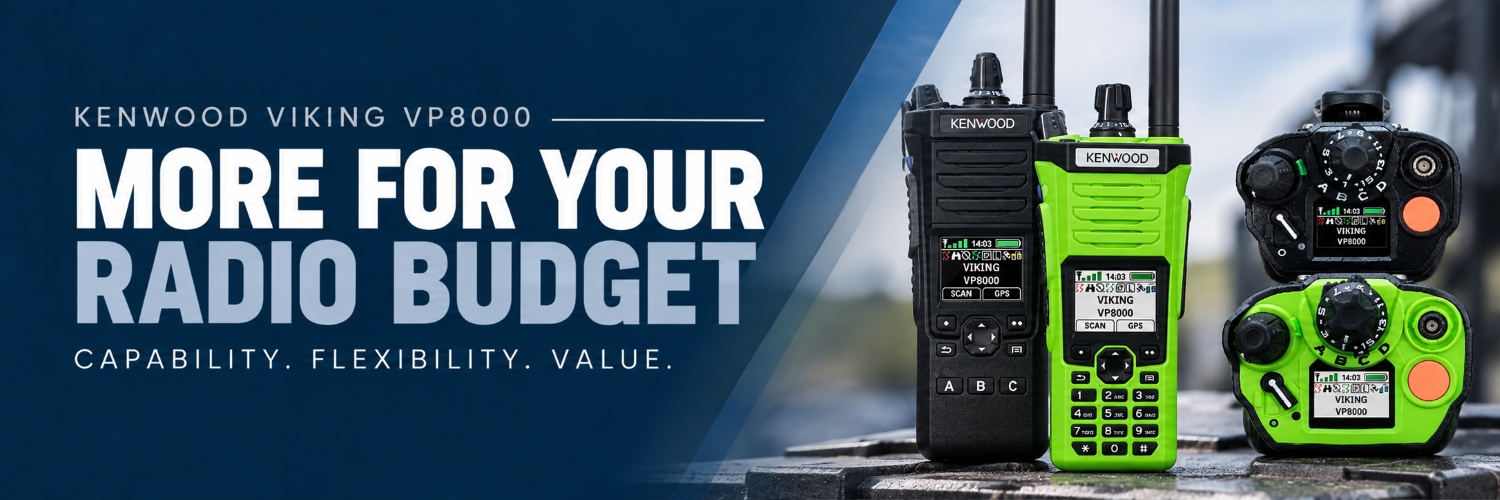
One of those options is the KENWOOD Viking VP8000 from EFJohnson. The VP8000 is currently included on Indiana’s SAFE-T Authorized Subscriber Equipment List and supports P25 Phase 1 and Phase 2 trunking. It also offers multi-band and multi-protocol capabilities that can be useful for agencies operating across different radio environments.
But the right radio depends on the agency. Existing equipment, programming, mutual-aid requirements, features, accessories and budget should all be considered before choosing a replacement.
Start With the Fleet You Already Have
For Indiana public safety agencies, preparing for Phase 2 does not have to begin with a purchase order. It can begin with a list of the radios already in service.
What models are being used? Which support TDMA? Which are nearing end of support? Which are already approved for SAFE-T? How many units actually need attention?
Answering those questions gives an agency a much clearer picture of what a future transition could mean for its budget.
Not Sure Where Your Radio Fleet Stands?
J&K Communications can help Indiana public safety agencies review their current radio equipment, identify Phase 2-capable and aging units, and evaluate replacement options that fit both SAFE-T requirements and agency budgets.
Whether you are replacing a few older radios or planning a multi-year fleet upgrade, the goal is to make an informed decision before compatibility becomes an urgent problem.
Talk With J&K CommunicationsSources: Indiana Statewide Communications Interoperability Plan (2024); Indiana Office of Emergency Communications SAFE-T Authorized Subscriber Equipment List; Indiana Phase 2 TDMA Pilot Program announcement; CISA Statement of Project 25 (P25) User Needs; EFJohnson Viking VP8000 product information. State requirements, approved equipment and transition plans may change. Agencies should consult the Indiana Office of Emergency Communications for current SAFE-T requirements.